


The tools you choose today shape the body you’ll have tomorrow
Roofing and cladding are hand tool-intensive work. Hammering, seaming, crimping, folding – performed repeatedly, often overhead or in awkward positions, every single day. For many tradespeople, the aches that come with the job feel inevitable.
They’re not.
In 2024, ACC recorded over 40 claims from roofers for wrist and hand soft tissue injuries, and over 200 claims for lacerations. Over half of those roofers were under 30 years of age. These aren’t end-of-career injuries; they’re happening to people just getting started.
In partnership with CHASNZ’s Work Should Not Hurt programme, we’re looking at how the right tools and the right habits can make a real difference to long-term health on site.
Ergonomic tools: an insurance policy for your career
Traditional hand tools weren’t built with the body in mind. Steel hammer handles conduct vibration directly into the wrist and elbow. Standard pliers force the wrist into unnatural angles with every seam. Basic crimpers require more gripping force than the job demands.
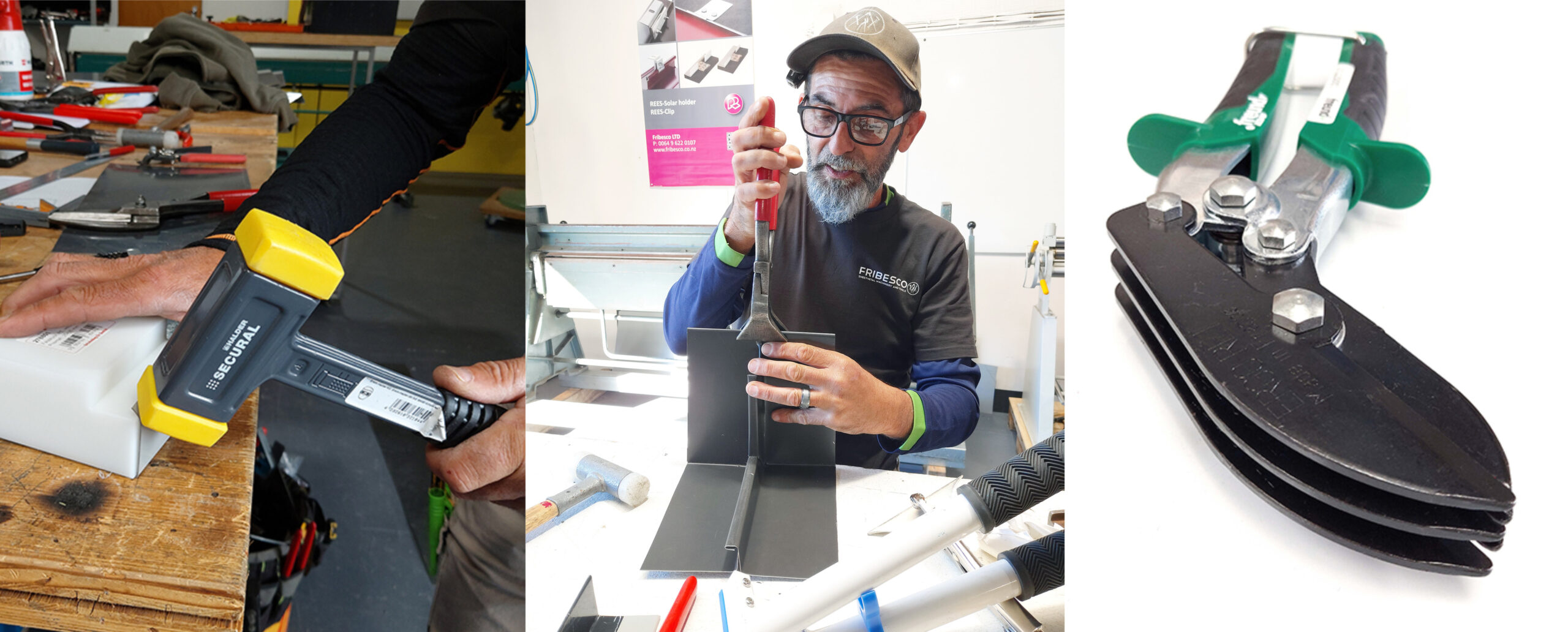
Ergonomic alternatives address these issues through deliberate design. Dead blow hammers absorb shock rather than transferring it up your arm. Angled seaming pliers (45° and 90°) allow you to work in natural hand positions. Ergo pipe crimpers use optimised leverage to reduce the force required at the handle. Membrane rollers like the Freund Ergo Wheel apply consistent pressure with a grip angle that minimises wrist strain, cutting the time spent kneeling and bending in the process.
“Roofing is a hand tool-intensive trade, and this contributes to a significant amount of musculoskeletal injuries. Hand and wrist injuries are widespread in the industry. Choosing roofing tools that have been designed using ergonomics is like making an insurance policy for your well-being and career.”
— Chris Polaczuk, Programme Manager & Ergonomist, CHASNZ
Working at height: safety systems that support your whole body
Fall protection is the most visible safety priority on a roof, but good safety anchors do more than prevent catastrophic injury. When you’re properly anchored, you move with confidence. You stop bracing, compensating, and tensing against instability. Your body can adopt neutral positions, reducing the cumulative load on your core, lower back, and legs.
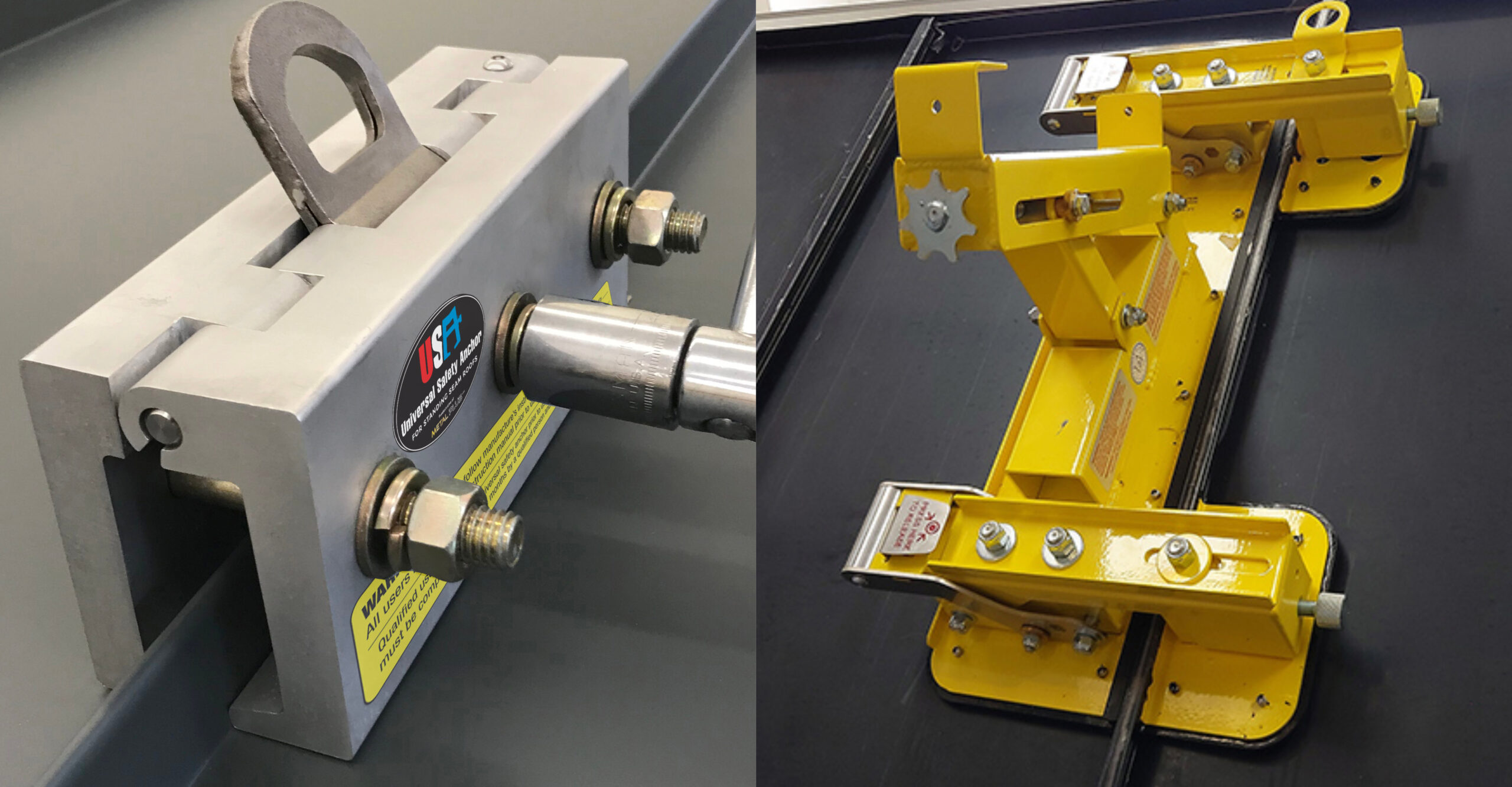
Safety anchors like the Metal Plus Universal Anchor and the Maxsafe standing seam anchors are the foundation, literally, for ergonomic work at height. The right system doesn’t just protect you from falls; it lets you work better.
Resources to support your health on site
Ergonomic tools are one part of the picture. CHASNZ’s Work Should Not Hurt programme offers practical resources to help tradespeople reduce injury risk and build sustainable careers.
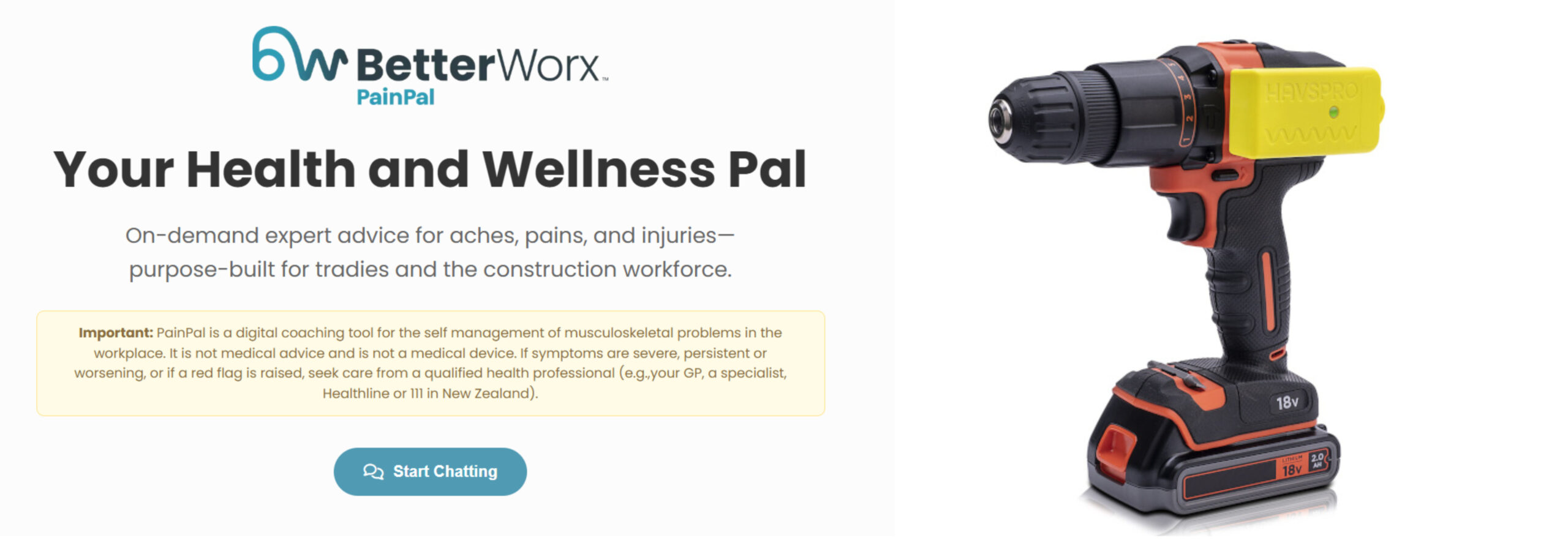
PainPal is an AI-powered tool created by CHASNZ ergonomists, offering on-demand advice for aches, pains, and injuries, purpose-built for tradies.
HAVSPRO is a tool-mounted vibration monitor that tracks hand-arm vibration exposure in real time, helping tradespeople understand and manage their risk before it becomes an injury.
At Fribesco, we bring European-quality tools to New Zealand and Australia, tools designed with performance and the body in mind. Because doing excellent work and protecting your health shouldn’t be a trade-off.
Work should not hurt. And with the right tools, it doesn’t have to.
Want to learn more about ergonomic tools, workplace injury prevention, or the Work Should Not Hurt programe?
Get in touch with the Fribesco team today, or visit CHASNZ’s resources for practical injury prevention guidance.
Comments (0)